
“`html
Introduction
The THC vaping hardware market has split into two categories: single-use disposable devices and customizable rechargeable vape pens. Understanding the differences in device design and batteries is crucial, as it impacts performance, lifespan, and safety.
This article examines the structure, compares power sources, and discusses the practical implications for users and regulators. The aim is clear: highlight distinct features based on measurable factors, especially when analyzing disposable devices.
Analysis of Devices
Disposable devices are closed systems with a pre-filled cartridge, built-in battery, and fixed mouthpiece, eliminating the possibility of parts replacement. This simplicity reduces variables but focuses potential failures in one unit commonly seen in disposable devices.
Rechargeable vape pens function like modular systems, offering options for replaceable or built-in batteries, interchangeable cartridges, various mouthpieces, and often adjustable airflow components. This flexibility spreads risk, allows for upgrades, and changes maintenance needs unlike the nature of disposable devices.
Key Factors
Device construction impacts durability and performance. Metal-encased batteries and threaded cartridges suggest repairability, while glued assemblies point to single-use, especially in disposable devices. Examine fastenings, seals, and the removability of the heating element for a neutral assessment specific to disposable devices.
Battery design is crucial. An integrated battery simplifies use but sets fixed capacity and end-of-life behavior. Replaceable batteries offer flexibility in capacity and lifespan but require responsible handling.
Charging interfaces affect daily convenience. Standard charging ports are easy to use and likely compatible with existing chargers, while proprietary ports tie users to specific cables, increasing obsolescence risk, a concern often absent in disposable devices. Charging ports can also allow moisture and contaminants to enter.
Airflow systems range from fixed openings in disposables to adjustable channels in rechargeables. Adjustable systems let users tweak draw resistance and vapor density but add components that can gather residue and eventually fail
Mouthpiece styles influence aerosol delivery and user hygiene. Wide-bore mouthpieces produce larger aerosol volumes but could hide burnt tastes from low output, while narrow tips highlight flavor but increase draw resistance and residue buildup.
Usage Scenarios
Scenario A: a low-frequency user who values convenience. Disposable devices are ideal—they need no charging, little maintenance, and no decisions about battery capacity mAh. The downside is a higher per-use cost and less transparency about battery quality within disposable devices.
Scenario B: an experienced user seeking performance and control. Rechargeable pens with replaceable batteries offer the best combination of power consistency, maintainability, and customization. Cell swapping extends device life and adjusts achievable wattage beyond what a single battery can provide.
Scenario C: a regulated environment prioritizing inspection and traceability. Devices with replaceable components simplify testing and compliance. In contrast, sealed disposables complicate analysis when a device fails or causes harm, which can be a significant issue with disposable devices.
Technical Comparisons
Battery capacity governs session length and heat consistency. A 300 mAh battery in a disposable might deliver a consistent draw until voltage drops, leading to disposal. A rechargeable device with a 650 mAh cell lasts longer and matches a charger to extend lifespan.
Charging ports and protocols affect safety. Standard USB-C or micro-USB ports ensure predictable charging cycles, while proprietary schemes without thermal controls heighten risk. Some manufacturers skip overcharge protection in low-cost disposables, focusing failure in the battery circuit, a common problem for disposable devices.
Airflow systems and heating elements relate to battery output. Underpowered batteries can overheat coils if restricted airflow results in longer heating times. High-capacity batteries might push coils beyond safe limits if protections are weak.
Operational Reliability and Failure Modes
Disposable devices typically fail as a whole: either the battery dies or the cartridge leaks, leaving the device unusable. This creates predictable waste but restricts user intervention. Sealed devices may degrade unnoticed until a safety issue arises, a challenge regularly faced with disposable devices.
Rechargeable vape pens have varied failure modes. Batteries can be replaced, but connectors can corrode, threads strip, and seals fail. Each replaceable part lowers replacement costs but raises maintenance needs.
For harm reduction, transparency about batteries and heating elements allows third-party testing. Public health assessments benefit from devices with replaceable batteries and accessible internals, unlike sealed disposables which resist analysis, adding more complexity to disposable devices.
Regulatory and Consumer Implications
Device design choices impact regulatory oversight. Closed disposables hinder ingredient and component testing, while modular designs with replaceable batteries aid lab evaluation of cartridges and cells. Regulators depend on disassemblable units to track contaminants and defects.
Manufacturers prefer integrated batteries to control user experience, but this may obscure manufacturing shortcuts. Reporting must cover both disposables and rechargeables to account for differences in battery chemistry, charging circuitry, and airflow design especially in disposable devices.
Conclusion
Classifying devices by construction and battery configuration shows predictable trade-offs. Disposable devices focus on ease and consistency at the cost of transparency and sustainability. Rechargeables emphasize flexibility and performance but require consumer knowledge about batteries, ports, and upkeep.
Choice depends on use case, regulations, and understanding of battery capacity, airflow, and component accessibility. To assess market risk or health impact, start with a checklist on construction, mouthpiece styles, ports, and battery replaceability within disposable devices.
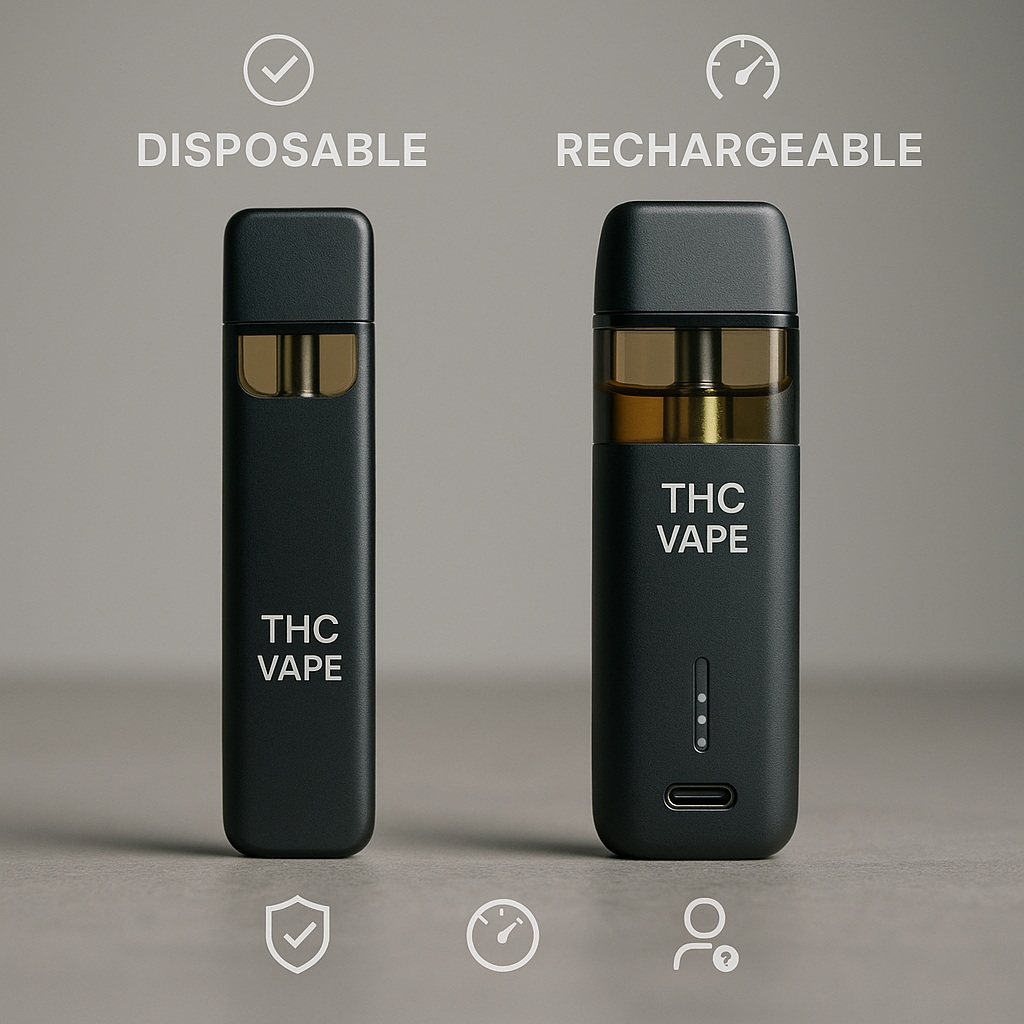
For visual reference on e-cigarette hardware and terms used in this analysis, see the CDC’s e-cigarette visual dictionary: e-cigarette visual dictionary.
“`